Game Overview
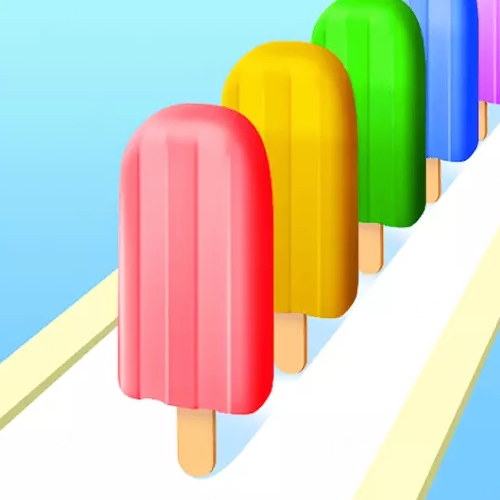
Making Popsicle is a vertical stack-and-run game. You build a popsicle layer by layer while moving through route splits, frozen gates, and finish multipliers. The core challenge is keeping your stack centered while still making smart path choices.
A complete run usually has four phases: opening control, path decision, transition handling, and finish conversion. Players improve faster when they treat each phase as a separate skill instead of one continuous speed test.
The game loop is intentionally simple to learn: shape your pop with cup choices, fill your stack at flavor stations, freeze and stick each row, then decorate and sell. The deeper layer is route management, because each decision changes both visual style and value outcome.
How to Play
- Start with calm movement and center your first layers.
- At route splits, choose early and avoid last-second direction changes.
- Before frozen gates, slow down to protect spacing and alignment.
- At the finish lane, prioritize clean shape over risky extra extension.
Cup-to-Cash Flow
- Pick cup shapes and collect as many usable cups as possible.
- Move through filling stations and select flavor lanes intentionally.
- Freeze pops, attach sticks, and keep queue spacing under control.
- Apply toppings like chocolate dips and sprinkle finishes.
- Sell to customers where cleaner and bolder builds usually earn more.
Run Phases and Objectives
- Opening (0-30s): establish alignment rhythm and avoid aggressive movement.
- Mid Run (splits): select route early and lock commitment before transition.
- Transition (freeze): reduce speed, minimize drift, and preserve stack symmetry.
- Finish: choose secure multiplier lines that maintain shape integrity.
Scoring and Progression
Stable runs usually score better than aggressive runs with frequent recovery. As you improve, combine control goals with visual theme goals to build higher-quality finishes and stronger consistency across sessions.
Progression should be tracked with two practical metrics: clean segment count and first-error timestamp. This pair gives better skill feedback than score-only tracking and helps isolate where your run quality actually drops.
Feature Highlights
- 3D runner-style popsicle building loop with simple controls.
- Branching routes, obstacle timing, and value-based lane choices.
- Flavor and topping combinations that support creative replay.
- Cosmetic progression for character and presentation variety.
- Large level pool designed for repeated short sessions.